Supporting Children to Return to School with Confidence
Posted Date: Sep 19 2026
LaFO has provided scholastic materials to...

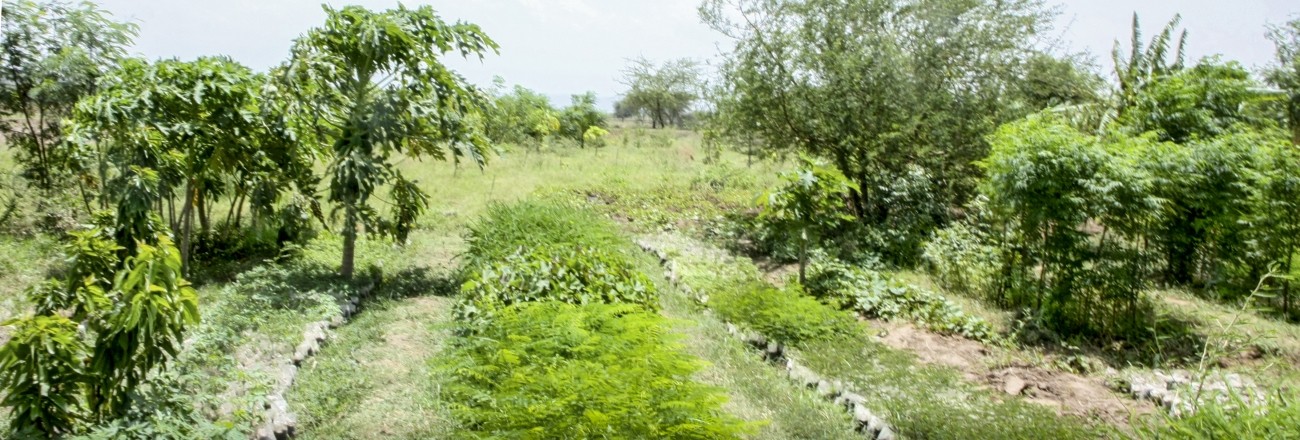
Climate change adaptation and mitigation activity
Get Started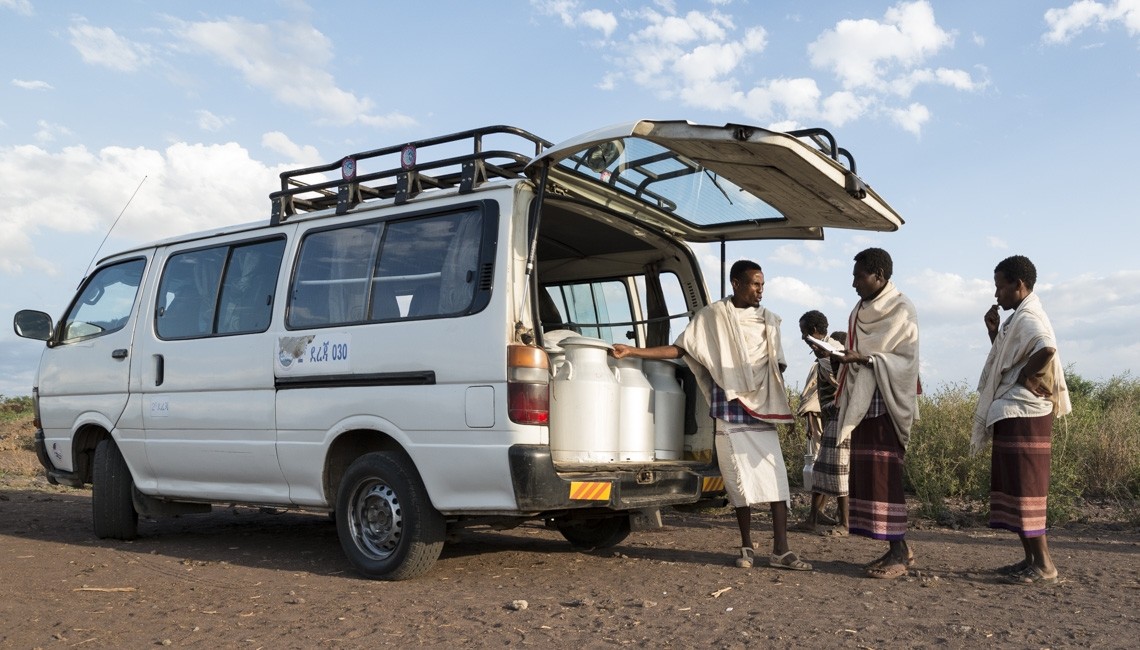
Camel milk project supported by Labata Fantalle Organization
Get Started


Labata Fantalle Organization was officially registered on 19th April 2010 with the FDRE Ministry of Justice Charities and Societies Agency, in accordance with proclamation No.621/2009, under certificate Number 1771.The organization has also re-registered under Ethiopia’s new CSO law 1113/2019 in 2019. The non-profit grassroots organization was established with the aim to facilitate participatory, community-led development.
The Pastoralist and Agro-Pastoralist people inhabiting Fantalle Woreda have been facing numerous problems for the past several decades and these problems have become more severe in the last few years. Although there are development institutions working in the area, it was felt by the community that another development organization was needed. The emergence of the first university graduates within the last some years has enabled members of the community to establish an organization for the first time, which is not much technically reliant on outside support.
The Karrayyu led in the past and for its significant proportion until recently traditional and extensive livestock rearing system regarded as transhumance pastoralism. However, this traditional system is challenged by the dwindling pastureland, recurrent drought and depletion of natural resources. Consequently, the traditional system has been curtailed and can no longer functions adequately due to lack of access to traditional grazing grounds and water points. The public service facilities are very underdeveloped due to inadequate and less qualified manpower, poor infrastructure development and lack of important inputs. Less representation in major political offices and forms/levels of government and the consequent poor understanding/recognition and protection of the peoples’ way of life, their cultures, their identity, their land/livelihood and the environment in which they live are among major root causes for some of the challenges the Karrayyus and other indigenous people in the country are facing.

LaFO has provided scholastic materials to...

With generous support from the CS...

With generous financial support from CS...

With generous funding from CS Fund,...

LaFO is pleased to have participated...

Metahara, Ethiopia, May 9, 2026: Labata...
Donors and partners
Projects
Regions
People Reached